Advantages and disadvantages of oil processing technology
A brief analysis of the advantages and disadvantages of the three commonly used oil processing techniques in oil processing
Release date: December 14, 2024
It is well known that in terms of the production process of oils and fats, there are generally three methods: pressing, extraction and pre-pressing extraction. Oils produced by different processes vary in quality, grade and other aspects. So, what are the specific advantages and disadvantages of these three processes? Here is a brief introduction for everyone.
1. Pressing method
The oil extraction method by pressing is an oil extraction technique that applies mechanical external force to oilseeds to squeeze out the oil from them.
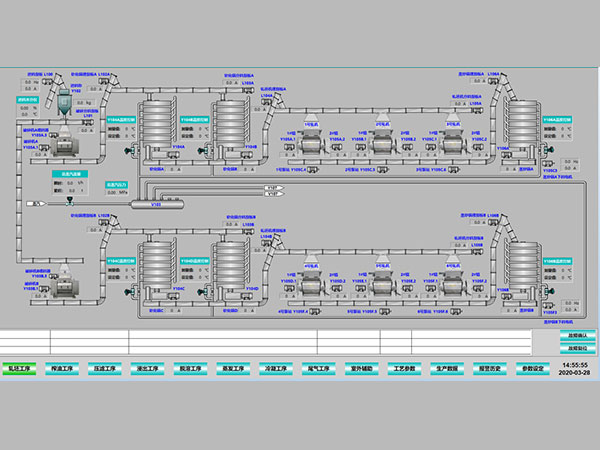
Pressing is a common oil production method. Compared with other oil extraction methods, pressing has the advantages of simple process, less supporting equipment, retention of oil nutrients, strong adaptability to oilseed varieties, flexible production, good oil quality, light color and good flavor. However, due to the high residual oil rate of the oil cake after pressing, the severe damage and denaturation of substances such as proteins in the cake meal, and the large power consumption, the equipment parts used in the pressing method are prone to wear and tear, which accelerates the production cost of the oil factory.
2. Leaching method
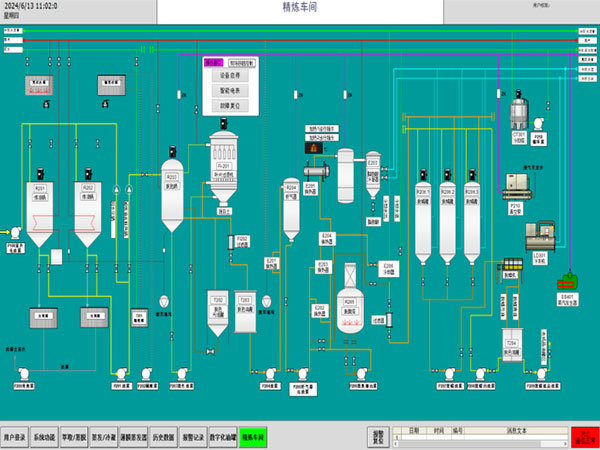
The oil extraction process by leaching utilizes organic solvents to fully contact oilseeds, extracting the oil from the oilseeds to obtain mixed oil. Based on the principle that the boiling points of solvents and oils are different, the solvent is transformed into vapor through heating, evaporation, and stripping to separate it from the oil, resulting in crude oil that has been extracted. The solvent vapor is then condensed, cooled, and recovered for reuse. After the crude oil is extracted, it is refined by the oil refining equipment to remove various impurities and harmful substances in the oil, and then the finished edible oil is obtained.
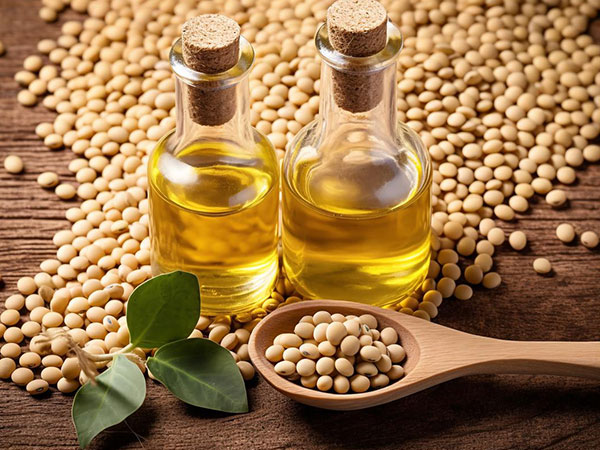
The oil extraction method has the advantages of high oil yield, low residual oil rate of cake meal, good quality, low processing cost, high efficiency and low labor intensity. It is a commonly used oil processing equipment in large-scale oil processing plants. However, the oil produced by the extraction method contains solvent residues, so it needs to be refined to meet the standards through oil refining equipment before it can be consumed. During the refining process of the oil, various active substances are lost, reducing the nutritional components of the oil.
3. Pre-pressing leaching method
The pre-pressing and leaching method is a combination of the pressing method and the leaching method for oil production. This oil production process first uses the pressing method to squeeze out 80% to 89% of the oil in the oilseed, and then uses the leaching method to extract the remaining oil in the pressed cake meal, thereby increasing the oil yield and reducing the waste of oil resources.
The pre-pressing and leaching method retains the advantages of both the pressing and leaching methods. While preserving the nutritional components of oilseeds, it increases the oil yield, improves the quality of cake meal, and enhances the competitive edge of oil mills in the market. However, due to the need for different equipment and processing techniques, the investment cost of the oil factory is relatively high. It is necessary to configure the oil-making process equipment for the pre-pressing and leaching method based on the actual production conditions such as the processing volume of oilseeds and the investment cost.
The above are the three commonly used oil-making processes in oil mills